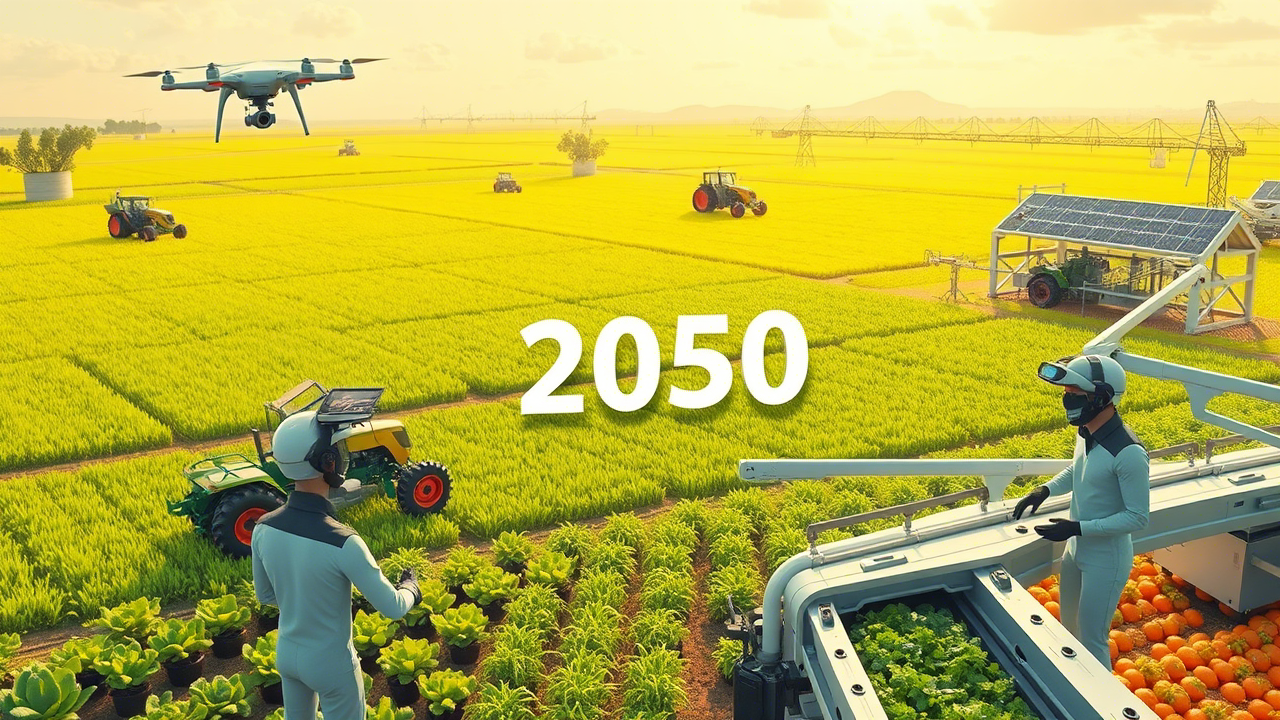
Traditional and Modern Farming: What You Need to Know
From the sun-baked fields where ancient grains were first sown to the climate-controlled vertical farms of today, agriculture tells the story of human ingenuity. For millennia, farming was an art passed down through generations, a intimate dance with nature’s rhythms. But in the last century, that dance has been transformed by the beat of technology and science.
If you’ve ever wondered about the difference between the idyllic, heritage farm and the high-tech, data-driven operation, you’re in the right place. This isn’t about declaring one “better” than the other. It’s about understanding the journey, the trade-offs, and the surprising ways these two worlds are starting to blend. Let’s dig in.
- What is Traditional Farming? The Roots of Agriculture
Traditional farming is the time-honored way of cultivating crops and raising livestock, developed over centuries and deeply intertwined with local culture and environment. It’s less about high yields and more about stability, sustainability, and survival.
1.1. Core Principles of Traditional Agriculture
At its heart, traditional farming is defined by a few key principles:
· Reliance on Indigenous Knowledge: Skills and techniques are passed down orally from parents to children. A farmer might know precisely when to plant based on the bloom of a certain tree or the phase of the moon.
· Low External Inputs: These systems primarily use resources found on or near the farm. There’s minimal to no use of synthetic fertilizers or pesticides.
· Integration with Nature: Farming practices are adapted to the local ecosystem, not the other way around. Biodiversity is often a key feature.
· Multi-Purpose Goals: The aim is not just to produce food, but to maintain soil fertility, provide fiber, fuel, and support the community’s way of life.
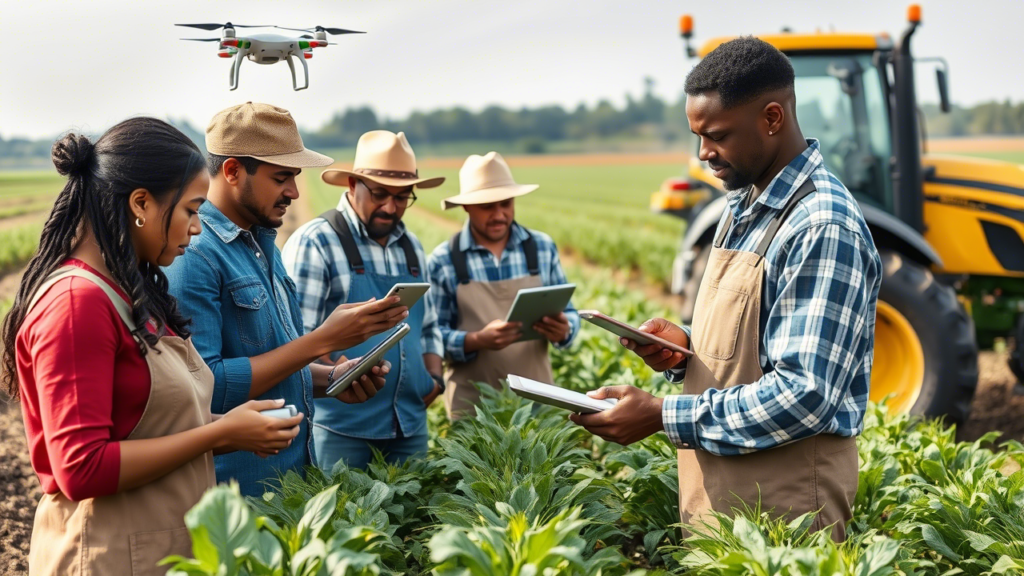
1.2. Common Types of Traditional Farming
Traditional farming isn’t a monolith; it takes many beautiful forms across the globe:
· Subsistence Farming: The primary goal is to grow enough food to feed the farmer’s family, with little or no surplus for trade. This is still the reality for millions of smallholder farmers worldwide, particularly in developing regions.
· Shifting Cultivation (Slash-and-Burn): Farmers clear a plot of land by cutting and burning vegetation. The ash fertilizes the soil, and crops are grown for a few years until soil fertility declines. The plot is then left to regenerate for a long period (a fallow period) while the farmer moves to a new area. When practiced sustainably with long fallow periods, this can be a stable system.
· Pastoral Nomadism: Communities raise herds of livestock (like cattle, camels, or goats) and move them seasonally in search of fresh pasture and water. This is a highly adapted way of life in arid and semi-arid regions where crop farming is difficult.
· Agroforestry: A brilliant system of integrating trees and shrubs with crops and/or livestock. The trees might provide fruit, nuts, fodder for animals, and most importantly, shade and soil nutrient enhancement.
According to the Food and Agriculture Organization (FAO) of the United Nations, an estimated 500 million smallholder farms worldwide still rely heavily on traditional practices, producing about 80% of the food consumed in Asia and Sub-Saharan Africa.

- What is Modern Farming? The Technological Revolution
Modern farming, often referred to as industrial or conventional agriculture, emerged prominently after the Second World War. Driven by a mission to eradicate hunger and maximize efficiency, it applies scientific innovation and technology to food production on a massive scale.
2.1. The Pillars of the Modern Agricultural Revolution
This approach is built on a few foundational breakthroughs:
· The Green Revolution (1940s-1960s): This was a pivotal period where high-yielding variety (HYV) seeds of wheat and rice were developed. These new seeds, combined with synthetic fertilizers and irrigation, led to astronomical jumps in grain production in countries like India and Mexico, saving billions from famine.
· Mechanization: The replacement of animal and human labor with machines. The tractor is the iconic symbol of this shift, but it extends to combine harvesters, automated milking parlors, and more.
· Synthetic Inputs: The widespread use of man-made fertilizers (like ammonium nitrate) and chemical pesticides (herbicides, insecticides, fungicides) to control pests and diseases and boost soil fertility on demand.
2.2. The Evolution into Precision Agriculture
Today, modern farming is evolving beyond pure mechanization into a high-tech era known as Precision Agriculture or Smart Farming.
· Data-Driven Decisions: Instead of treating a whole field as one unit, farmers use GPS, drones, and soil sensors to understand variation within the field.
· Targeted Applications: This data allows for “variable rate technology” (VRT), where a tractor can automatically apply the exact amount of seed, fertilizer, or pesticide needed in specific spots, minimizing waste.
· Automation and Robotics: From autonomous tractors to robotic weeders and fruit-picking robots, automation is addressing labor shortages and increasing precision.
The USDA Economic Research Service reports that U.S. agricultural output nearly tripled between 1948 and 2019, with growth in productivity (largely from modern methods) being the primary driver, not an increase in land or labor.
- Key Differences at a Glance: A Side-by-Side Look
To really grasp the contrast, let’s line them up across several critical dimensions.
Feature Traditional Farming Modern Farming
Scale & Goal Small to medium scale, primarily for subsistence or local markets. Large scale, primarily for commercial profit and mass production.
Technology & Tools Basic tools: hoe, axe, plough, dependent on human/animal labor. Advanced technology: tractors, harvesters, drones, GPS, AI, and IoT sensors.
Inputs Organic inputs: compost, manure, crop residues. Relies on natural rainfall. High external inputs: synthetic fertilizers, pesticides, herbicides, and irrigation.
Labor Intensity Highly labor-intensive, requiring a large workforce for planting, weeding, and harvesting. Capital-intensive, relying on machinery and technology, requiring a smaller, more skilled workforce.
Biodiversity High biodiversity, often growing multiple crops together (polyculture). Low biodiversity, often specializing in a single crop (monoculture) for efficiency.
Yield per Acre Generally lower in terms of volume for a specific crop. Generally much higher for the primary commodity crop.
Environmental Impact Generally lower and more sustainable when practiced well; promotes soil health. Can be high (soil degradation, water pollution, high GHG emissions) but is evolving to be more precise.
Knowledge Base Local and traditional knowledge, passed down through generations. Scientific and technical knowledge, based on research and data analysis.
Of course! Here is Part 2 of the blog article, “Traditional and Modern Farming: What You Need to Know.”
Meta Information for the Blog Post
(This remains the same for the overall article)
· Meta Title: Traditional vs Modern Farming: A Data-Driven Guide to Agricultural Methods
· Meta Description: Explore the key differences between traditional and modern farming. Learn about their techniques, impacts on yield & sustainability, and how technology is shaping the future of food production.
· Meta Keywords: traditional farming, modern farming, sustainable agriculture, farming technology, organic farming, precision agriculture, farming methods, agroecology
(Continuation from Part 1)
Now that we have a clear picture of what traditional and modern farming are, it’s time to ask the harder questions. What is the true cost of our food? How do these systems affect the soil, the water, and the air we share? And what about the people behind the food—the farmers and their communities? Let’s explore the profound impacts of each approach.
- Environmental Impact and Sustainability: The Great Balancing Act
This is perhaps the most debated aspect of the traditional vs. modern farming discussion. The health of our planet is directly tied to the health of our agricultural systems.
4.1. The Environmental Footprint of Traditional Farming
Traditional farming, when practiced sustainably, can be remarkably in tune with nature.
· Soil Health: Practices like intercropping, crop rotation, and the use of organic manure build organic matter in the soil. This creates a rich, living ecosystem of microbes and earthworms, improving soil structure and water retention. The FAO states that soils managed with organic methods can have significantly higher biological diversity.
· Biodiversity: Growing a variety of crops (polyculture) and maintaining natural habitats creates a haven for pollinators, birds, and beneficial insects. This genetic diversity also makes the farm more resilient to a single pest or disease.
· Lower Carbon Footprint: With minimal use of fossil-fuel-based inputs and machinery, traditional farms often have a much lower direct carbon footprint per acre.
However, it’s not a perfect picture. When population pressure leads to shortened fallow periods in shifting cultivation, it can cause deforestation and soil degradation. Some traditional methods can be low-yielding, potentially requiring more land to produce the same amount of food, which is a different kind of environmental pressure.
4.2. The Environmental Footprint of Modern Farming
Modern farming’s environmental impact has been significant, but the story is evolving.
· The Challenges of the Conventional Model:
· Soil Degradation: Intensive tillage and monocropping have led to widespread soil erosion and a loss of organic matter. The UNCCD (United Nations Convention to Combat Desertification) reports that 20-40% of global land is considered degraded.
· Water Pollution and Consumption: Runoff from synthetic fertilizers can lead to eutrophication in water bodies—creating “dead zones” where algae blooms deplete oxygen. Pesticides can also contaminate groundwater. Furthermore, large-scale irrigation can deplete aquifers faster than they can recharge.
· Greenhouse Gas Emissions: The manufacturing of synthetic fertilizers is energy-intensive, and the fertilizers themselves release nitrous oxide, a potent greenhouse gas. Livestock operations also produce significant methane.
· The Greening of Modern Farming:
This is where precision agriculture and new technologies are making a difference. Modern farming is not standing still.
· Reduced Chemical Use: With variable-rate technology, farmers can apply fertilizers and pesticides only where and when needed, reducing overall usage by 15-30% according to industry case studies.
· Conservation Tillage: Practices like no-till or strip-till, often enabled by herbicide technology, leave crop residue on the field. This drastically reduces soil erosion, improves water infiltration, and sequesters carbon in the soil.
· Efficient Water Use: Drip irrigation and smart sensors are minimizing water waste, making every drop count.
The Bottom Line: The initial wave of modern farming came with a heavy environmental cost. However, the next wave, driven by data and precision, is actively working to mitigate that cost. The challenge is making these sustainable technologies accessible and affordable to all farmers.
- Economic and Social Considerations: The Human Cost of Food
Beyond the environment, the choice of farming method has deep social and economic ramifications for rural communities and global food security.
5.1. The Social Fabric of Traditional Farming
· Community and Culture: Traditional farming is often the backbone of rural life, preserving cultural identities and strengthening community bonds through shared labor and knowledge.
· Food Sovereignty and Security: By growing a diverse range of crops for local consumption, these systems can be more resilient to global market shocks. The food is often fresher and more nutritious for the local population.
· The Burden of Labor: The flip side is that this life is physically demanding and often economically precarious. Low yields and lack of market access can trap smallholder farmers in a cycle of poverty. The World Bank estimates that 80% of the world’s poor live in rural areas and rely largely on agriculture.
5.2. The Economic Engine of Modern Farming
· Scale and Affordability: The incredible efficiency of modern farming is a major reason why consumers in developed nations spend a historically low percentage of their income on food. It has been instrumental in keeping food prices stable and affordable for a growing global population.
· The High Capital Barrier: To compete, modern farmers require massive investments in land, machinery, and technology. This has led to farm consolidation, where small farms are absorbed into larger ones. In the U.S., the number of farms has fallen by more than 60% since 1950, while the average farm size has nearly doubled.
· The Debt Cycle: To afford these inputs, farmers often take on significant debt, creating financial stress and making them vulnerable to bad weather or market downturns.
Aspect Traditional Farming Modern Farming
Economic Model Low external capital, high labor. Often subsistence or local market-oriented. High external capital, low labor. Geared for national/global export markets.
Farmer Livelihood Often precarious and low-income, but with greater self-sufficiency. Can be profitable at scale, but with high financial risk and debt pressure.
Role in Community Central, providing local employment and preserving cultural heritage. Diminished, with fewer people needed on the land, leading to rural depopulation.
Global Food Security Feeds local populations with diverse foods. Feeds urban and global populations with staple commodity crop
